 Free books onlineFree books online
Main » Classic literature » The Brothers Karamazov by Fyodor Dostoevsky
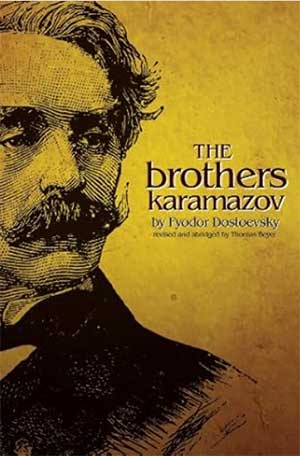
The Brothers Karamazov by Fyodor Dostoevsky is a philosophical novel about
family conflict, faith, morality, and freedom. It centers on the turbulent
Karamazov family and a shocking murder.
Main characters:
The three brothers return home because of conflicts over money and love. Both
Dmitri and his father are in love with the same woman, Grushenka, which creates
intense hatred between them. Dmitri desperately needs money and quarrels
violently with his father, threatening him.
Meanwhile: Ivan struggles with
questions about God, evil, and human suffering. Alyosha, a monk-in-training,
tries to bring peace and kindness to everyone. Smerdyakov listens quietly,
resents the family, and plays a mysterious role
Soon, Fyodor Pavlovich is
murdered. Dmitri is arrested because he had motive, was seen acting wildly, and
had threatened his father. However, the truth is more complex: Smerdyakov
committed the murder, influenced by Ivan’s ideas about morality and
responsibility. Dmitri is wrongly convicted and sentenced to Siberia.
In the
emotional finale Smerdyakov confesses to Ivan, then takes his own life, Dmitri
plans to escape prison with Grushenka, Alyosha remains devoted to spiritual love
and compassion, guiding a group of young boys and offering hope.
Fyodor Dostoevsky (1821–1881) was a Russian novelist and thinker renowned for his deep psychological insight and exploration of moral and philosophical questions. His major works include “Crime and Punishment,” “The Idiot,” “Demons” (The Possessed), and “The Brothers Karamazov.” Dostoevsky experienced hardship throughout his life: he was arrested for political activities, sentenced to death (later commuted), spent years in Siberian exile and hard labor, and struggled with epilepsy and financial difficulties. These experiences profoundly shaped his writing. His novels probe themes such as guilt, free will, faith, suffering, and redemption, making him one of the most influential figures in world literature and existential thought.